
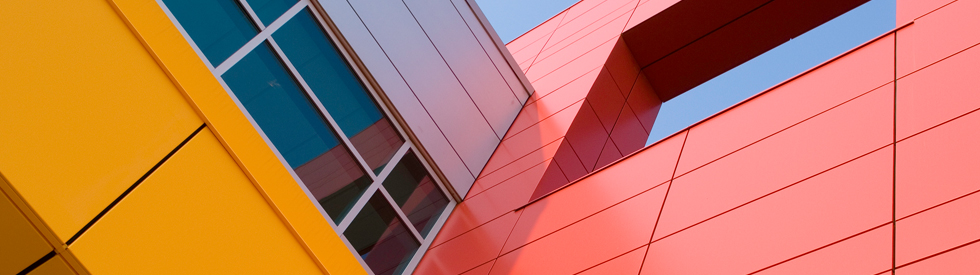
The old saying, “As exciting as watching paint dry” could not be further from the truth when it comes to coil coatings. First, the paint that is applied to a metal coil during the coil coating process dries (bakes, really) in just 15 to 30 seconds. A lot takes place in that short period of time: 1) the solvents evaporate (they are captured and destroyed in this environmentally friendly process), 2) the coating flows to produce a smooth surface, and 3) a chemical reaction takes place to create a cured, hard, scratch-resistant yet flexible coating. To the chemists who create this magic, it’s exciting stuff, but it’s difficult for the consumer to appreciate since the process takes place in a factory setting. What consumers can appreciate is what they see when the product reaches the marketplace. So … let’s see what’s innovative these days!
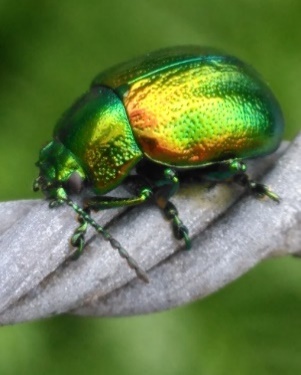
First, let’s talk about beetles. Yes, beetles. Especially the ones that have that cool iridescence. They create that effect by … well, it’s complicated!
Continue reading


 I know you had a 30-year warranty, but—after 15 years—those shingles simply must be replaced. Anyone can call a roofer, but why not take a shot at making your own shingles? But first you need a formulation—the recipe—and I’ve got just the one for you. And while we’re at it, let’s compare shingle manufacturing to metal roofing manufacturing.
 Sometimes your doctor writes a prescription for your ailment, and sometimes your doctor wants to run some tests first. The first example is a prescriptive approach (do this and you will be okay), whereas the second example is a performance-based approach to solving your problem (take some meaningful measurements and then determine what to do). The same two options are also used in the metal building industry.
 COAT NOTES